

As a provider of high - quality freestanding baths, I often receive questions from customers about various aspects of bath usage, and one frequently asked question is, "Can I use bath salts in a freestanding bath?" This blog post aims to comprehensively answer this question, combining scientific knowledge and practical experience in the freestanding bath industry.
The Composition and Effects of Bath Salts
Bath salts typically consist of a mixture of minerals, such as magnesium sulfate (Epsom salt), sea salt, and various essential oils. Magnesium sulfate is well - known for its ability to relax muscles, reduce inflammation, and improve sleep quality. Sea salt contains a variety of trace elements like calcium, potassium, and sodium, which can help to exfoliate the skin, leaving it soft and smooth. Essential oils, on the other hand, add a pleasant fragrance and offer additional therapeutic benefits, such as stress relief and mood enhancement.
When dissolved in water, bath salts create a solution that can have a positive impact on both physical and mental health. The warm water combined with the minerals and oils in bath salts can open up pores, allowing the body to absorb these beneficial substances. This can help to soothe tired muscles, improve circulation, and even alleviate certain skin conditions.
Compatibility with Freestanding Baths
The good news is that in most cases, it is perfectly safe to use bath salts in a freestanding bath. However, there are a few factors to consider to ensure the longevity and performance of your bath.
Material of the Freestanding Bath
- Acrylic Baths: Acrylic is a popular material for freestanding baths due to its affordability, durability, and ease of maintenance. Bath salts are generally compatible with acrylic baths. The minerals in bath salts are unlikely to cause any damage to the acrylic surface. However, it is important to follow the manufacturer's instructions regarding the use of bath products. For example, our Irregular Shape Acrylic Soaking Bath Freestanding Tub F5033 is made of high - quality acrylic, and as long as you use bath salts in moderation, it will not be affected.
- Cast Iron Baths: Cast iron baths are known for their durability and heat - retaining properties. They are also resistant to the chemicals in bath salts. The smooth enamel surface of a cast iron bath is not easily scratched or damaged by the minerals in bath salts. But be careful when adding bath salts to avoid any abrasive particles that might scratch the enamel if they are not fully dissolved.
- Stone or Marble Baths: Stone and marble baths offer a luxurious and elegant look. However, they are more porous than acrylic or cast iron. Bath salts can potentially cause staining or damage to the surface if not properly rinsed. It is recommended to use a milder form of bath salts and rinse the bath thoroughly after each use.
Water Chemistry
The minerals in bath salts can affect the water chemistry in your freestanding bath. Excessive use of bath salts can lead to an increase in the water's hardness, which may cause limescale buildup over time. To prevent this, it is advisable to use bath salts in moderation and regularly clean your bath to remove any mineral deposits. You can also use a water softener to reduce the hardness of the water.
Tips for Using Bath Salts in a Freestanding Bath
- Read the Instructions: Always read the instructions on the bath salt packaging. Different bath salts may have different recommended usage amounts and application methods.
- Dissolve the Salts Completely: Before adding bath salts to your freestanding bath, make sure they are fully dissolved in a small amount of warm water. This will prevent any undissolved particles from scratching the bath surface.
- Rinse the Bath Thoroughly: After your bath, rinse the bath thoroughly with clean water to remove any remaining bath salts. This will help to prevent limescale buildup and keep your bath looking clean and new.
- Use a Filter: Consider using a bath filter to catch any debris or undissolved particles in the water. This can help to protect your bath and ensure a more enjoyable bathing experience.
Our Freestanding Bath Products
We offer a wide range of freestanding baths to suit different needs and preferences. For those who prefer a unique and modern design, our Irregular Shape Acrylic Soaking Bath Freestanding Tub F5033 is an excellent choice. Its irregular shape provides a more comfortable and relaxing bathing experience.
If you have a corner space in your bathroom, our Corner Freestanding Baths F5010 are designed to fit perfectly. They offer a stylish and functional solution for small bathrooms.

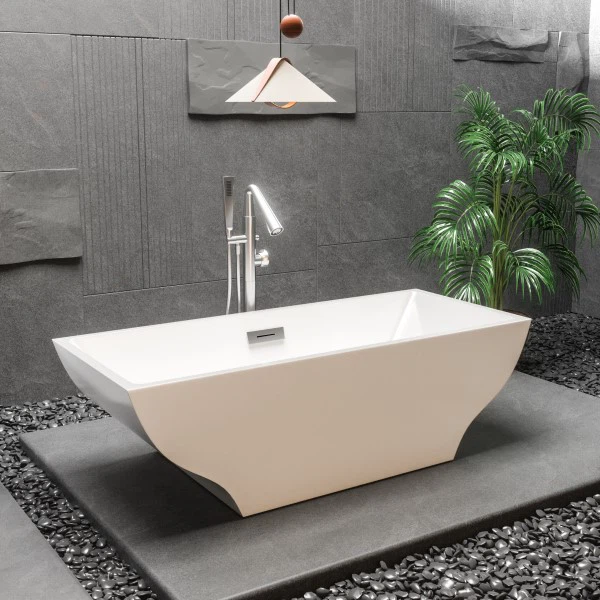
For a simple and elegant look, our Simple Freestanding Bathtub Black F5004B is a great option. The black finish adds a touch of sophistication to any bathroom.
Conclusion
In conclusion, using bath salts in a freestanding bath can be a great way to enhance your bathing experience and enjoy the many benefits that bath salts offer. As long as you take the necessary precautions and follow the tips mentioned above, you can safely use bath salts in your freestanding bath without causing any damage.
If you are interested in purchasing a freestanding bath or have any questions about using bath salts, feel free to contact us for more information. We are always here to help you make the best choice for your bathroom.
References
- "The Benefits of Bath Salts" - Healthline
- "Care and Maintenance of Freestanding Baths" - Bathroom Industry Association